





Scope of Competition
For the purpose of this competition, artistic photography is created in accordance with the creative vision of the artist as a photographer, using photography as a medium to bring something to life that arises from the artist’s mind.
The image should go beyond the “literal representation” of a scene or subject. A simple conversion of a colour image to a monochrome would not necessarily result in an artistic image.
The photographer will use subjects, elements and techniques as a vehicle in the process of conveying their feelings and vision to reveal an original, creative and individual expression.
Submitted images must be captured by “a light-sensitive device/surface (e.g. photogram technique, light exposed sensitive paper, film camera, digital camera, smartphone, tablet, etc…) and recorded on paper, film or in a digital format.”
CAPA defines artistic as “an image produced with the intention to portray a creative vision based primarily on an aesthetic and emotional thrust.”
For the purpose of this competition, the entrant will submit their image into one of the following three themes:
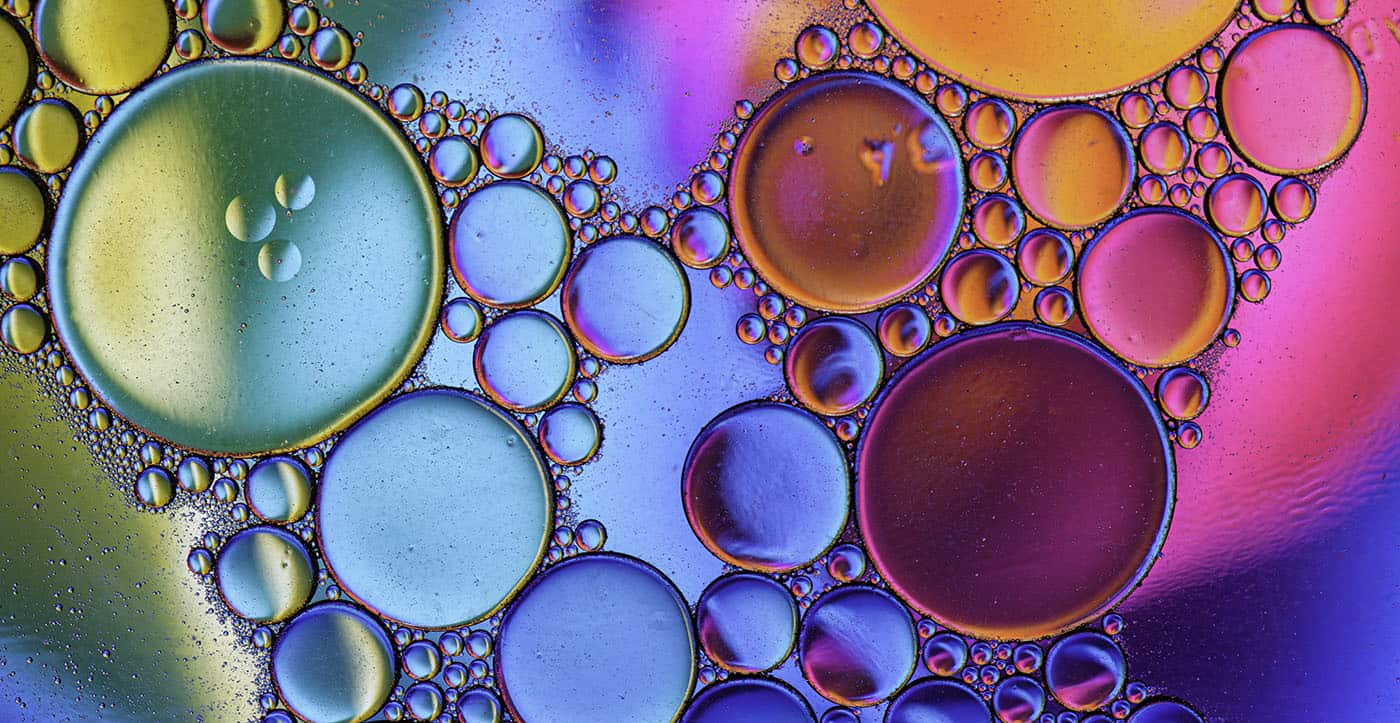
- Abstract Art is a method of expressing ideas and emotions with photographed image elements without the intention of creating a traditional or realistic image. The image needs to have something that retains the viewer’s attention, draws them in, keeps them looking and generates an emotional response. Examples of creating Abstract Art – a captured image is distorted or transformed; double exposure; blurred; smoke form captured image; camera movement or composition of captured images, etc…
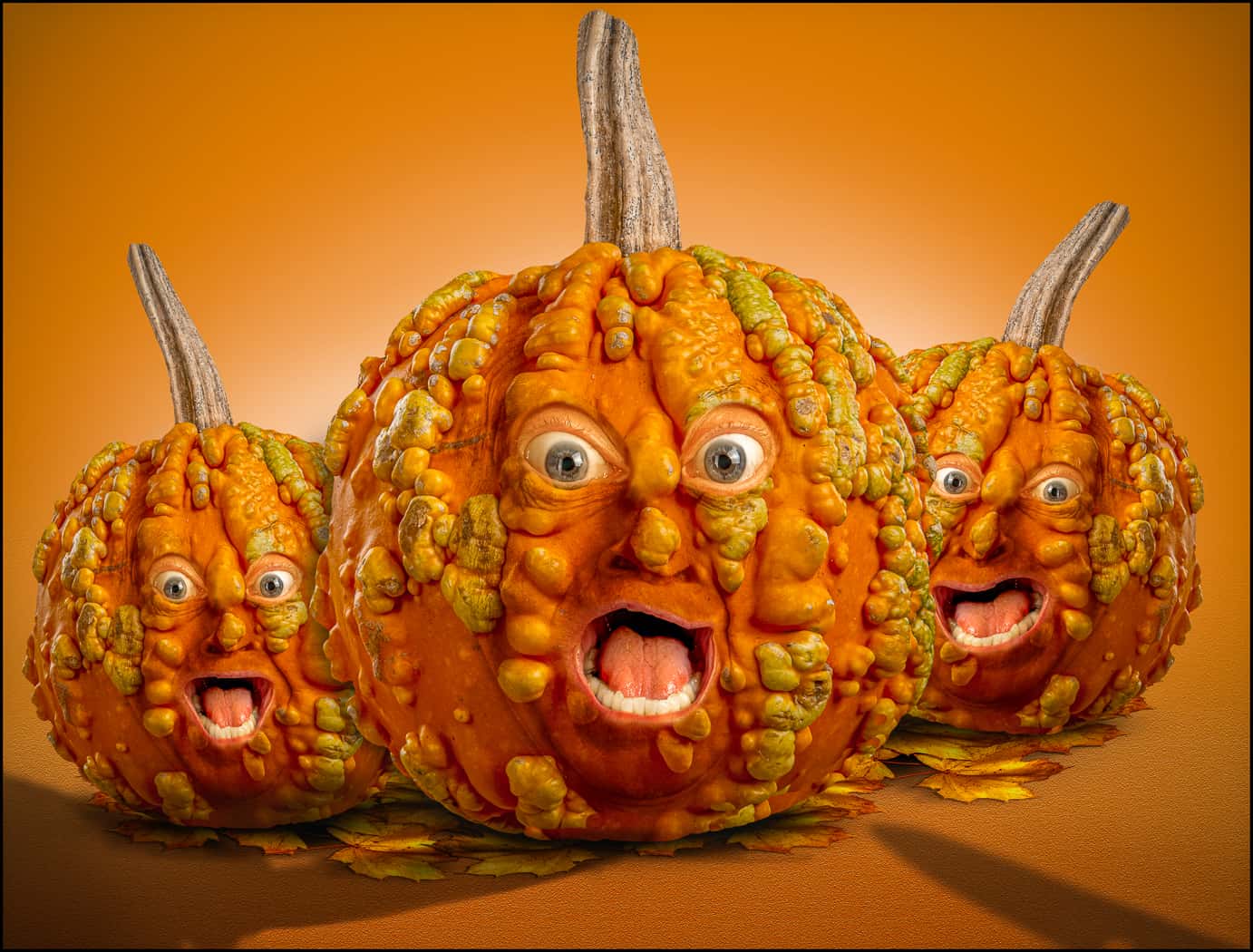
- Altered Reality is a manipulation of one or more photographed elements to create a fictional scene which conveys a message or tells a story. Manipulation can be undertaken in-camera or in post processing. For example, tiny planet effect images are accepted in this theme. High Dynamic Range (HDR) image without additional changes is not considered an Altered Reality image.
- Creative Image is one that was specifically created using props or amplification of elements not normally viewed by the human eye such as: bokeh, colour glitch effect, double exposure effect, high-speed capture, interweaving strips effect, lens ball, LED light stick, light painting, long-exposures, macro, photo mosaic, rain, reflection, shadows, steel wool, string of lights, water drop, water splash, water & oil, x-ray, etc…
NOTE – During the uploading of the image into the competition, it is important for the photographer to assign the image into the most appropriate of the four themes to ensure the maximum potential score from the judging panel.
- Eligibility Criteria – Prior to submitting any photo in a CAPA competition, all entrants must first read the CAPA Eligibility Criteria relating to images submissions. – READ ELIGIBILITY CRITERIA HERE
- Open Editing – Any in-camera, on-camera and/or post-processing techniques may be used. This includes combining multiple images and elements to create a final image. NOTE – only textures, elements of a photo captured or created by the entrant may be used in the submitted image.
- Third party pre-sets – applications and actions may be used to enhance the quality of an image (color, contrast, skin tone, etc…) or distort the image. However, these pre-sets or filters CANNOT contain any elements (e.g. arrows, balloons, birds, birds, butterflies, clouds, crosses, feathers, fog, flames, leaves, lightening, moon, patterns, plants, smoke, snowflakes, sun, symbols, textures, trees, etc…) added to the images which the entrant has not captured or created.
- Images can be colour or monochrome or infrared. Frames, borders, pin-lines and mats ARE NOT permitted.
- Images cannot be solely created by a computer application.
- For transformed images, the core content of the original image must be identifiable in the submitted image.
- See the CAPA Eligibility Criteria webpate relating to the use of artificial intelligence (AI) –
Specifications
Title of Image
When images are uploaded into a competition, you are required to enter the title of your image into the Title Field. Title can be in either English or French or both.
Do Not: enter your name, the name of the photographer or the club name in the Title Field (that is for the Title of the image)
Do Not: include punctuation or symbols (such as / –_ , ; : ‘’ “” ! ? & $%*{} [ ] @ # &) or quotation marks in the Title of your image.
The Image Title should be simple, and introduce or set the mood or perspective for your image. For example: Sublime Nova Scotia Sunset
A weak image title, such as ‘pretty flower,’ will fail to stimulate the judge’s interest in the image and may result in a lower score than expected.
Image File Name
Do Not: include punctuation marks or symbols such as / –_ , ; : ‘’ “” ! ? & $%*{} [ ] @ # &) or quotation marks in the Image File name. For example, do not use: “NAME OF PHOTOGRAPHER”it_a_red rose”.jpg”
The image file name that you create prior to uploading into this competition should also be simple, and could be the same as the Image Title. For example: John Snow-Sublime Nova Scotia Sunset
Image Size – Dimensions
You must ensure your image is re-sized to meet the following two parameters:
- Saved as a jpg image with a maximum file size of 1.8 MB.
- Dimensions: Maximum horizontal size: 1400 pixels and maximum vertical size: 1050 pixels.
Note: Images smaller than the maximum dimensions will ONLY be accepted when one of the image edges has a horizontal size is 1400 pixels or the vertical size is 1050 pixels. For example: square image – 1050 x 1050 pixels; landscape 1400 x 800 pixels; or portrait 700 x 1050 pixels.
Note: Images will NOT be rotated by the judges and will scored as submitted.
During the uploading process of your image, our online competition system will verify if the image is less than 1.8 MB and meets the two parameters.
If your image fails this verification process, you will receive an error message and it will appear below the upload image box.
Depending on the error message – you will need to either reduce the file size of the image to be 1.8 MB or less or re-size the dimensions of your image. After doing so, please re-try uploading your image.
Suggestions – Use sRGB colour space for your image. For colour accuracy: we strongly recommend that you calibrate your monitor to ensure colour accuracy from your monitor to the image projected to the judges.
- An Image’s title may be used by the judges in evaluating a submission, so entrants should take care in selecting a title that complements or contributes to the vision or message being presented in the image.
- Judges will award their scoring primarily based on the ‘Emotional’ components of the image, that is its creative vision and the story telling value (e.g. quality of mood, impact, subject, execution, innovation, creativity, and the ‘wow’ factor) and the degree that the image is within the Scope of a sub-theme.
- Technical and Organizational factors, such as exposure, sharpness, focus, space, and composition, will be taken into account solely to the degree they do or do not support or reinforce the creative vision and storytelling. Images will not be penalized in scoring for so-called technical rule infractions, such as focus, if that is immaterial to the creative vision and storytelling.
Likewise, judges take into consideration in their scoring the degree to which the entrant’s use of techniques such as colour, monochrome, duo and multi-tone, and infra-red, contributes to or supports the creative vision and the story telling value of the image.
Competition Process
- Competition Coordinator – CAPA Director of Competitions – competitions@capacurrent.mydev.ca
Questions about the scope of the competition and/or the editing criteria should be directed to the Coordinator at prior to the closing day of the competition.
- Closing Date of Competition – January 30, 2024 at midnight Standard Time (Ontario).
- Open To – All paid-up CAPA members and camera clubs associated to CAPA. Read Eligibility here.
- Two Parallel Competitions – CAPA Artistic ‘Individual’ Competition for only CAPA Individual members (limited to a maximum of 3 images) and CAPA Artistic ‘Club’ Competition for all camera clubs (limited to a maximum of 6 images). For camera club submissions, all six images must be from six different photographers.
- How To Enter Competition -check out our How To Upload Images To CAPA Competition here.
Scope of Competition
For the purpose of this competition, artistic photography is created in accordance with the creative vision of the artist as a photographer, using photography as a medium to bring something to life that arises from the artist’s mind.
The image should go beyond the “literal representation” of a scene or subject. A simple conversion of a colour image to a monochrome would not necessarily result in an artistic image.
The photographer will use subjects, elements and techniques as a vehicle in the process of conveying their feelings and vision to reveal an original, creative and individual expression.
Submitted images must be captured by “a light-sensitive device/surface (e.g. photogram technique, light exposed sensitive paper, film camera, digital camera, smartphone, tablet, etc…) and recorded on paper, film or in a digital format.”
CAPA defines artistic as “an image produced with the intention to portray a creative vision based primarily on an aesthetic and emotional thrust.”
For the purpose of this competition, the entrant will submit their image into one of the following three themes:
- Abstract Art is a method of expressing ideas and emotions with photographed image elements without the intention of creating a traditional or realistic image. The image needs to have something that retains the viewer’s attention, draws them in, keeps them looking and generates an emotional response. Examples of creating Abstract Art – a captured image is distorted or transformed; double exposure; blurred; smoke form captured image; camera movement or composition of captured images, etc…
- Altered Reality is a manipulation of one or more photographed elements to create a fictional scene which conveys a message or tells a story. Manipulation can be undertaken in-camera or in post processing. For example, tiny planet effect images are accepted in this theme. High Dynamic Range (HDR) image without additional changes is not considered an Altered Reality image.
- Creative Image is one that was specifically created using props or amplification of elements not normally viewed by the human eye such as: bokeh, colour glitch effect, double exposure effect, high-speed capture, interweaving strips effect, lens ball, LED light stick, light painting, long-exposures, macro, photo mosaic, rain, reflection, shadows, steel wool, string of lights, water drop, water splash, water & oil, x-ray, etc…
NOTE – During the uploading of the image into the competition, it is important for the photographer to assign the image into the most appropriate of the four themes to ensure the maximum potential score from the judging panel.
- Eligibility Criteria – Prior to submitting any photo in a CAPA competition, all entrants must first read the CAPA Eligibility Criteria relating to images submissions. – READ ELIGIBILITY CRITERIA HERE
- Open Editing – Any in-camera, on-camera and/or post-processing techniques may be used. This includes combining multiple images and elements to create a final image. NOTE – only textures, elements of a photo captured or created by the entrant may be used in the submitted image.
- Third party pre-sets – applications and actions may be used to enhance the quality of an image (color, contrast, skin tone, etc…) or distort the image. However, these pre-sets or filters CANNOT contain any elements (e.g. arrows, balloons, birds, birds, butterflies, clouds, crosses, feathers, fog, flames, leaves, lightening, moon, patterns, plants, smoke, snowflakes, sun, symbols, textures, trees, etc…) added to the images which the entrant has not captured or created.
- Images can be colour or monochrome or infrared. Frames, borders, pin-lines and mats ARE NOT permitted.
- Images cannot be solely created by a computer application.
- For transformed images, the core content of the original image must be identifiable in the submitted image.
- Artificial Intelligent renderings generated via text prompts may not be used in whole or part in the creation of a submitted image.
Specifications
Title of Image
When images are uploaded into a competition, you are required to enter the title of your image into the Title Field. Title can be in either English or French or both.
Do Not: enter your name, the name of the photographer or the club name in the Title Field (that is for the Title of the image)
Do Not: include punctuation or symbols (such as / –_ , ; : ‘’ “” ! ? & $%*{} [ ] @ # &) or quotation marks in the Title of your image.
The Image Title should be simple, and introduce or set the mood or perspective for your image. For example: Sublime Nova Scotia Sunset
A weak image title, such as ‘pretty flower,’ will fail to stimulate the judge’s interest in the image and may result in a lower score than expected.
Image File Name
Do Not: include punctuation marks or symbols such as / –_ , ; : ‘’ “” ! ? & $%*{} [ ] @ # &) or quotation marks in the Image File name. For example, do not use: “NAME OF PHOTOGRAPHER”it_a_red rose”.jpg”
The image file name that you create prior to uploading into this competition should also be simple, and could be the same as the Image Title. For example: John Snow-Sublime Nova Scotia Sunset
Image Size – Dimensions
You must ensure your image is re-sized to meet the following two parameters:
- Saved as a jpg image with a maximum file size of 1.8 MB.
- Dimensions: Maximum horizontal size: 1400 pixels and maximum vertical size: 1050 pixels.
Note: Images smaller than the maximum dimensions will ONLY be accepted when one of the image edges has a horizontal size is 1400 pixels or the vertical size is 1050 pixels. For example: square image – 1050 x 1050 pixels; landscape 1400 x 800 pixels; or portrait 700 x 1050 pixels.
Note: Images will NOT be rotated by the judges and will scored as submitted.
During the uploading process of your image, our online competition system will verify if the image is less than 1.8 MB and meets the two parameters.
If your image fails this verification process, you will receive an error message and it will appear below the upload image box.
Depending on the error message – you will need to either reduce the file size of the image to be 1.8 MB or less or re-size the dimensions of your image. After doing so, please re-try uploading your image.
Suggestions – Use sRGB colour space for your image. For colour accuracy: we strongly recommend that you calibrate your monitor to ensure colour accuracy from your monitor to the image projected to the judges.
- An Image’s title may be used by the judges in evaluating a submission, so entrants should take care in selecting a title that complements or contributes to the vision or message being presented in the image.
- Judges will award their scoring primarily based on the ‘Emotional’ components of the image, that is its creative vision and the story telling value (e.g. quality of mood, impact, subject, execution, innovation, creativity, and the ‘wow’ factor) and the degree that the image is within the Scope of a sub-theme.
- Technical and Organizational factors, such as exposure, sharpness, focus, space, and composition, will be taken into account solely to the degree they do or do not support or reinforce the creative vision and storytelling. Images will not be penalized in scoring for so-called technical rule infractions, such as focus, if that is immaterial to the creative vision and storytelling.
Likewise, judges take into consideration in their scoring the degree to which the entrant’s use of techniques such as colour, monochrome, duo and multi-tone, and infra-red, contributes to or supports the creative vision and the story telling value of the image.
Competition Process
- Competition Coordinator – CAPA Director of Competitions – competitions@capacurrent.mydev.ca
Questions about the scope of the competition and/or the editing criteria should be directed to the Coordinator at prior to the closing day of the competition.
- Closing Date of Competition – January 30, 2024 at midnight Standard Time (Ontario).
- Open To – All paid-up CAPA members and camera clubs associated to CAPA. Read Eligibility here.
- Two Parallel Competitions – CAPA Artistic ‘Individual’ Competition for only CAPA Individual members (limited to a maximum of 3 images) and CAPA Artistic ‘Club’ Competition for all camera clubs (limited to a maximum of 6 images). For camera club submissions, all six images must be from six different photographers.
- How To Enter Competition -check out our How To Upload Images To CAPA Competition here.
Scope of Competition
For the purpose of this competition, artistic photography is created in accordance with the creative vision of the artist as a photographer, using photography as a medium to bring something to life that arises from the artist’s mind.
The image should go beyond the “literal representation” of a scene or subject. A simple conversion of a colour image to a monochrome would not necessarily result in an artistic image.
The photographer will use subjects, elements and techniques as a vehicle in the process of conveying their feelings and vision to reveal an original, creative and individual expression.
Submitted images must be captured by “a light-sensitive device/surface (e.g. photogram technique, light exposed sensitive paper, film camera, digital camera, smartphone, tablet, etc…) and recorded on paper, film or in a digital format.”
CAPA defines artistic as “an image produced with the intention to portray a creative vision based primarily on an aesthetic and emotional thrust.”
For the purpose of this competition, the entrant will submit their image into one of the following three themes:
- Abstract Art is a method of expressing ideas and emotions with photographed image elements without the intention of creating a traditional or realistic image. The image needs to have something that retains the viewer’s attention, draws them in, keeps them looking and generates an emotional response. Examples of creating Abstract Art – a captured image is distorted or transformed; double exposure; blurred; smoke form captured image; camera movement or composition of captured images, etc…
- Altered Reality is a manipulation of one or more photographed elements to create a fictional scene which conveys a message or tells a story. Manipulation can be undertaken in-camera or in post processing. For example, tiny planet effect images are accepted in this theme. High Dynamic Range (HDR) image without additional changes is not considered an Altered Reality image.
- Creative Image is one that was specifically created using props or amplification of elements not normally viewed by the human eye such as: bokeh, colour glitch effect, double exposure effect, high-speed capture, interweaving strips effect, lens ball, LED light stick, light painting, long-exposures, macro, photo mosaic, rain, reflection, shadows, steel wool, string of lights, water drop, water splash, water & oil, x-ray, etc…
NOTE – During the uploading of the image into the competition, it is important for the photographer to assign the image into the most appropriate of the four themes to ensure the maximum potential score from the judging panel.
- Eligibility Criteria – Prior to submitting any photo in a CAPA competition, all entrants must first read the CAPA Eligibility Criteria relating to images submissions. – READ ELIGIBILITY CRITERIA HERE
- Open Editing – Any in-camera, on-camera and/or post-processing techniques may be used. This includes combining multiple images and elements to create a final image. NOTE – only textures, elements of a photo captured or created by the entrant may be used in the submitted image.
- Third party pre-sets – applications and actions may be used to enhance the quality of an image (color, contrast, skin tone, etc…) or distort the image. However, these pre-sets or filters CANNOT contain any elements (e.g. arrows, balloons, birds, birds, butterflies, clouds, crosses, feathers, fog, flames, leaves, lightening, moon, patterns, plants, smoke, snowflakes, sun, symbols, textures, trees, etc…) added to the images which the entrant has not captured or created.
- Images can be colour or monochrome or infrared. Frames, borders, pin-lines and mats ARE NOT permitted.
- Images cannot be solely created by a computer application.
- For transformed images, the core content of the original image must be identifiable in the submitted image.
- See the CAPA Eligibility Criteria webpage relating to the use of artificial intelligence (AI) plugs and applications.
Specifications
Title of Image
When images are uploaded into a competition, you are required to enter the title of your image into the Title Field. Title can be in either English or French or both.
Do Not: enter your name, the name of the photographer or the club name in the Title Field (that is for the Title of the image)
Do Not: include punctuation or symbols (such as / –_ , ; : ‘’ “” ! ? & $%*{} [ ] @ # &) or quotation marks in the Title of your image.
The Image Title should be simple, and introduce or set the mood or perspective for your image. For example: Sublime Nova Scotia Sunset
A weak image title, such as ‘pretty flower,’ will fail to stimulate the judge’s interest in the image and may result in a lower score than expected.
Image File Name
Do Not: include punctuation marks or symbols such as / –_ , ; : ‘’ “” ! ? & $%*{} [ ] @ # &) or quotation marks in the Image File name. For example, do not use: “NAME OF PHOTOGRAPHER”it_a_red rose”.jpg”
The image file name that you create prior to uploading into this competition should also be simple, and could be the same as the Image Title. For example: John Snow-Sublime Nova Scotia Sunset
Image Size – Dimensions
You must ensure your image is re-sized to meet the following two parameters:
- Saved as a jpg image with a maximum file size of 1.8 MB.
- Dimensions: Maximum horizontal size: 1400 pixels and maximum vertical size: 1050 pixels.
Note: Images smaller than the maximum dimensions will ONLY be accepted when one of the image edges has a horizontal size is 1400 pixels or the vertical size is 1050 pixels. For example: square image – 1050 x 1050 pixels; landscape 1400 x 800 pixels; or portrait 700 x 1050 pixels.
Note: Images will NOT be rotated by the judges and will scored as submitted.
During the uploading process of your image, our online competition system will verify if the image is less than 1.8 MB and meets the two parameters.
If your image fails this verification process, you will receive an error message and it will appear below the upload image box.
Depending on the error message – you will need to either reduce the file size of the image to be 1.8 MB or less or re-size the dimensions of your image. After doing so, please re-try uploading your image.
Suggestions – Use sRGB colour space for your image. For colour accuracy: we strongly recommend that you calibrate your monitor to ensure colour accuracy from your monitor to the image projected to the judges.
- An Image’s title may be used by the judges in evaluating a submission, so entrants should take care in selecting a title that complements or contributes to the vision or message being presented in the image.
- Judges will award their scoring primarily based on the ‘Emotional’ components of the image, that is its creative vision and the story telling value (e.g. quality of mood, impact, subject, execution, innovation, creativity, and the ‘wow’ factor) and the degree that the image is within the Scope of a sub-theme.
- Technical and Organizational factors, such as exposure, sharpness, focus, space, and composition, will be taken into account solely to the degree they do or do not support or reinforce the creative vision and storytelling. Images will not be penalized in scoring for so-called technical rule infractions, such as focus, if that is immaterial to the creative vision and storytelling.
Likewise, judges take into consideration in their scoring the degree to which the entrant’s use of techniques such as colour, monochrome, duo and multi-tone, and infra-red, contributes to or supports the creative vision and the story telling value of the image.
Competition Process
- Competition Coordinator – CAPA Director of Competitions – competitions@capacurrent.mydev.ca
Questions about the scope of the competition and/or the editing criteria should be directed to the Coordinator at prior to the closing day of the competition.
- Closing Date of Competition – January 30, 2024 at midnight Standard Time (Ontario).
- Open To – All paid-up CAPA members and camera clubs associated to CAPA. Read Eligibility here.
- Two Parallel Competitions – CAPA Artistic ‘Individual’ Competition for only CAPA Individual members (limited to a maximum of 3 images) and CAPA Artistic ‘Club’ Competition for all camera clubs (limited to a maximum of 6 images). For camera club submissions, all six images must be from six different photographers.
- How To Enter Competition -check out our How To Upload Images To CAPA Competition here.